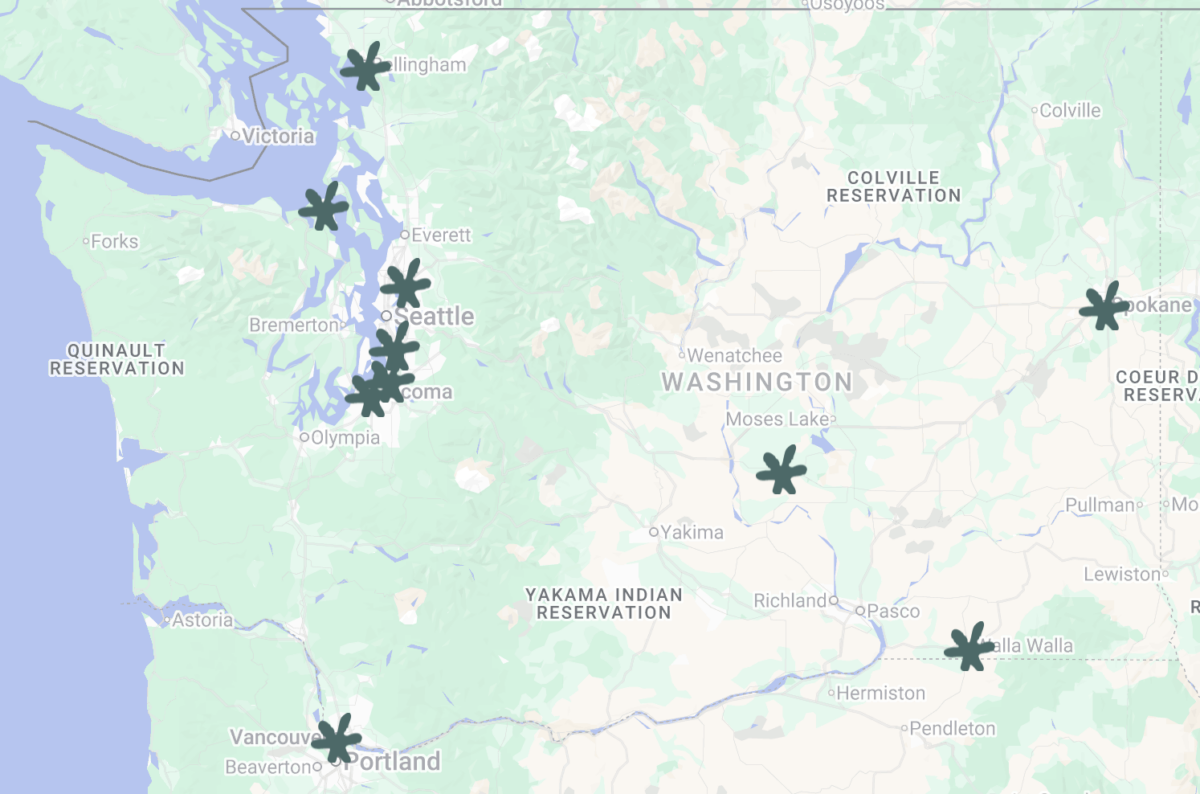
This spring, EarthGen’s Climate Leadership Fellows designed and led community projects focused on extreme heat education. From classroom presentations and hands-on activities to community outreach and local solutions, fellows helped people of all ages learn about the impacts of extreme heat and ways to build more resilient communities.
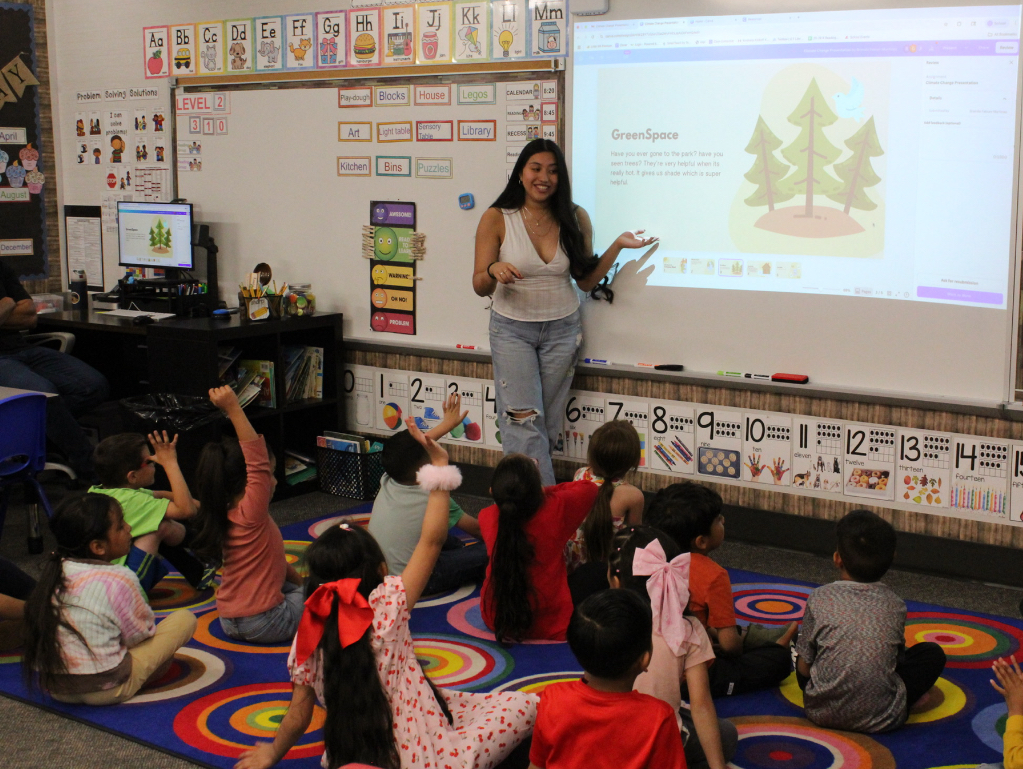
Brenda, 16 — Royal City
Brenda spent two weeks bringing extreme heat education to classrooms at Red Rock Elementary in Royal City, reaching 134 kindergarten students and 11 staff members. Through presentations and activities, she introduced students to heat safety, the value of green spaces, and simple ways to stay cool during hot weather. One of the highlights for Brenda was seeing how eager young students were to learn and participate. Despite some communication hurdles during the planning process, she successfully connected with multiple classrooms and left feeling inspired to bring the project to even more schools in the future.
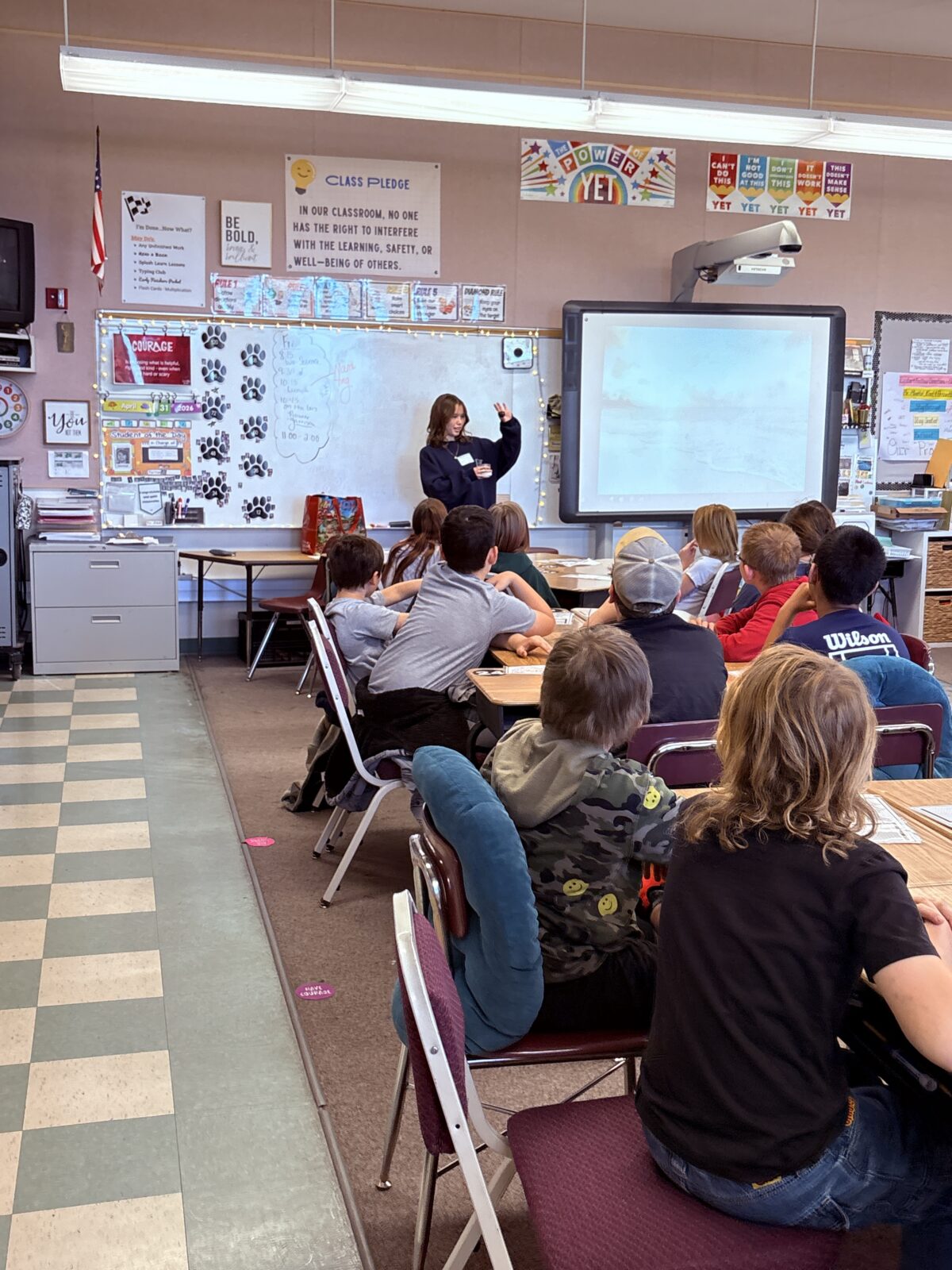
Lilly, 18 — Walla Walla
When Lilly visited a fifth-grade classroom at Green Park Elementary in Walla Walla, she set out to make extreme heat education both meaningful and memorable. Students learned about the impacts of extreme heat, local cooling resources, and how green spaces can help make communities more resilient. They also rolled up their sleeves to create seed balls to take home, connecting climate learning with hands-on action. Lilly was encouraged by the students’ curiosity, thoughtful questions, and enthusiasm throughout the activity. The experience reinforced her passion for finding practical solutions to environmental challenges and sharing those ideas with others.
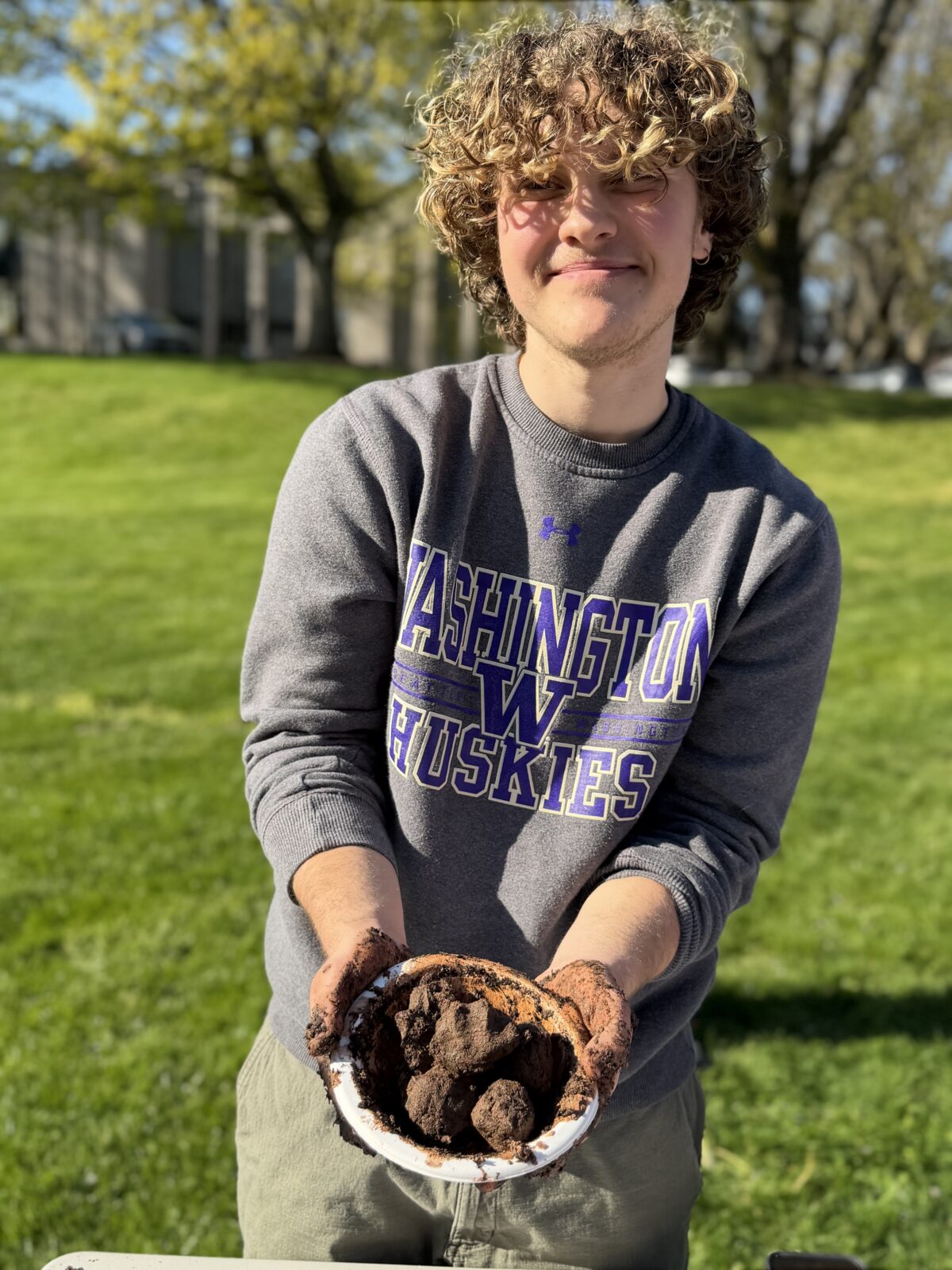
Lucas, 16 — Bellingham
Lucas brought community members together at the Bellingham Public Library for a conversation about climate change, extreme heat, and community health. Participants of all ages learned about local solutions, including cooling centers and increasing green space, before working together to create more than 50 seed balls that will help add greenery throughout the community. One of Lucas’s favorite parts of the event was seeing people from different backgrounds connect over shared concerns and ideas for action. While the experience taught him the importance of preparation and public speaking, it also strengthened his confidence as a community educator and advocate. Inspired by the conversations sparked during the event, Lucas plans to continue building his leadership skills and encouraging others to take action on climate issues.
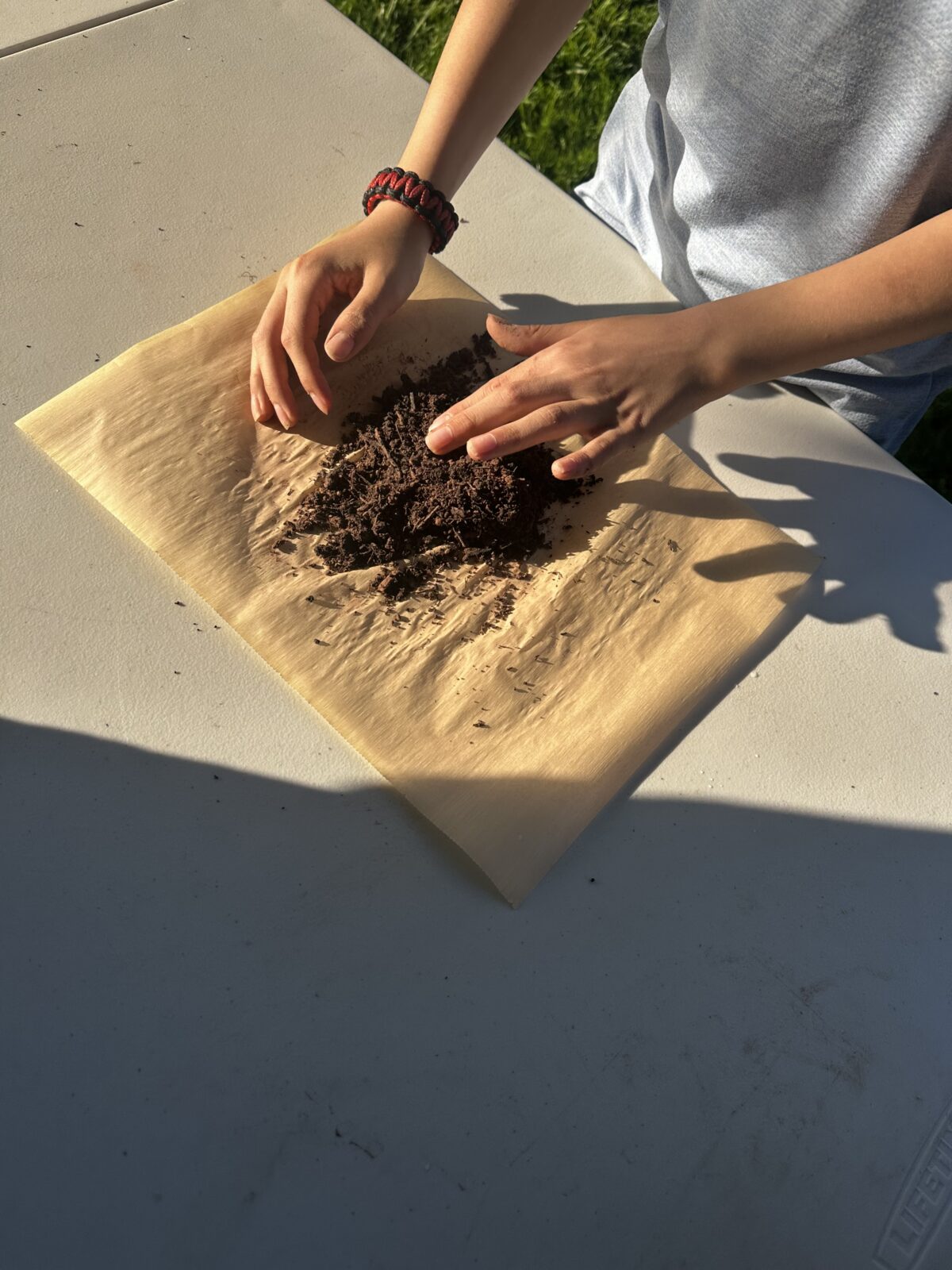
Maliyah, 15 — Vancouver
For her project, “May the Forest Be With You!!,” Maliyah welcomed nearly 80 elementary students to Vancouver iTech Preparatory for a day of environmental learning and hands-on activities. Working with visiting students from VIDA Elementary, she shared the importance of plants, green spaces, and healthy local ecosystems while encouraging younger students to become active stewards of their communities. Although finding a partner school proved challenging at first, Maliyah discovered support close to home when her own school helped connect her with visiting elementary classes. She was especially proud of the excitement and curiosity students brought to the project, with many eager to ask questions and continue the activities at home. Inspired by the experience, Maliyah hopes to turn the event into an annual collaboration between iTech and VIDA in the years to come.
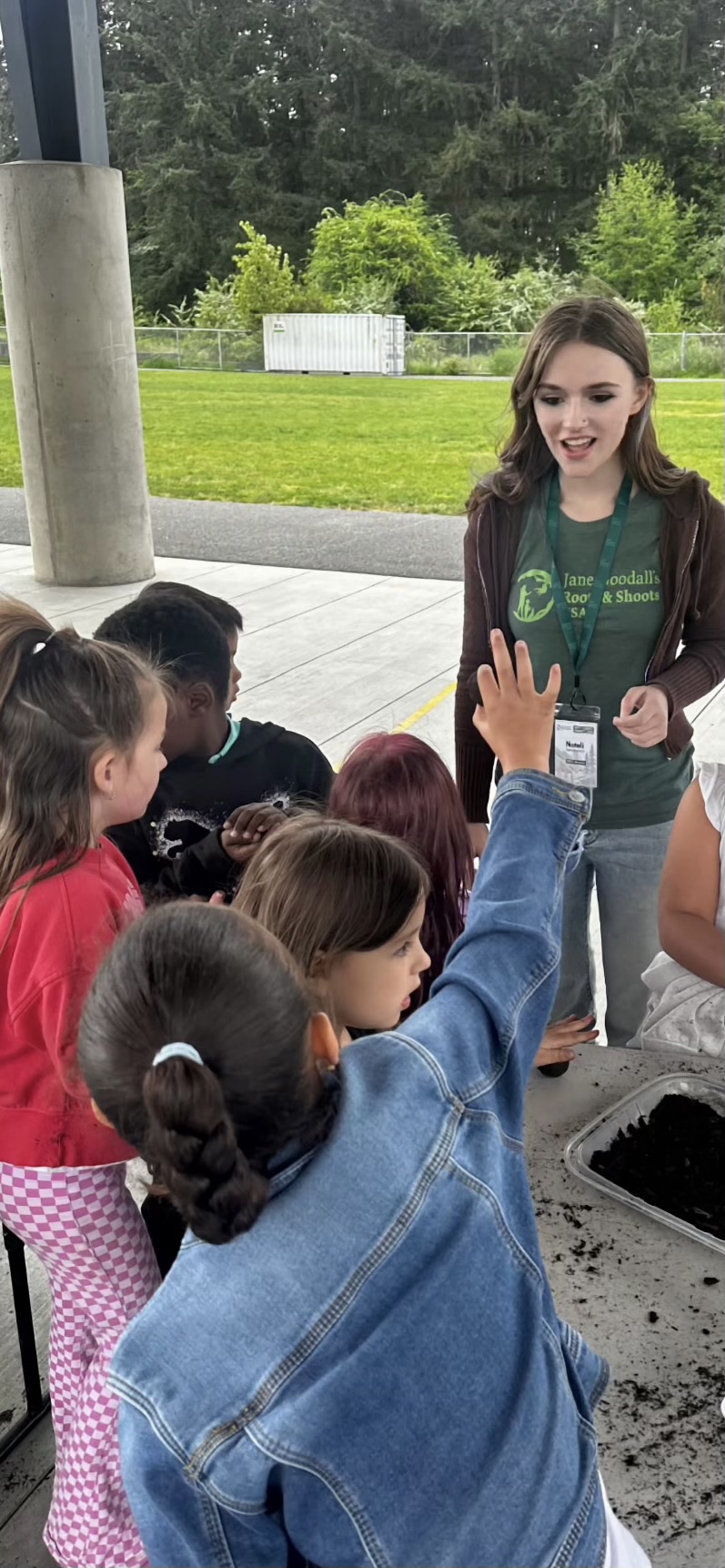
Nateli, 15 — Tacoma
Nateli brought extreme heat education to every classroom at Collins Elementary in Tacoma, engaging 382 students and helping them create nearly 400 seed balls to take home and plant. Through the activity, students learned about the connection between green spaces and cooler, healthier communities while exploring ways they can make a positive impact close to home. Coordinating the project across an entire school was no small task, and Nateli often found herself leading activities for multiple classes at once. Despite the challenges, she was encouraged by students’ enthusiasm, thoughtful questions, and excitement to share what they learned with their families. The project’s impact continues beyond a single event through Collins Elementary’s growing Roots & Shoots club, where more than 30 students now meet regularly to lead environmental projects, from pollinator gardens to campus cleanups and nature journaling.
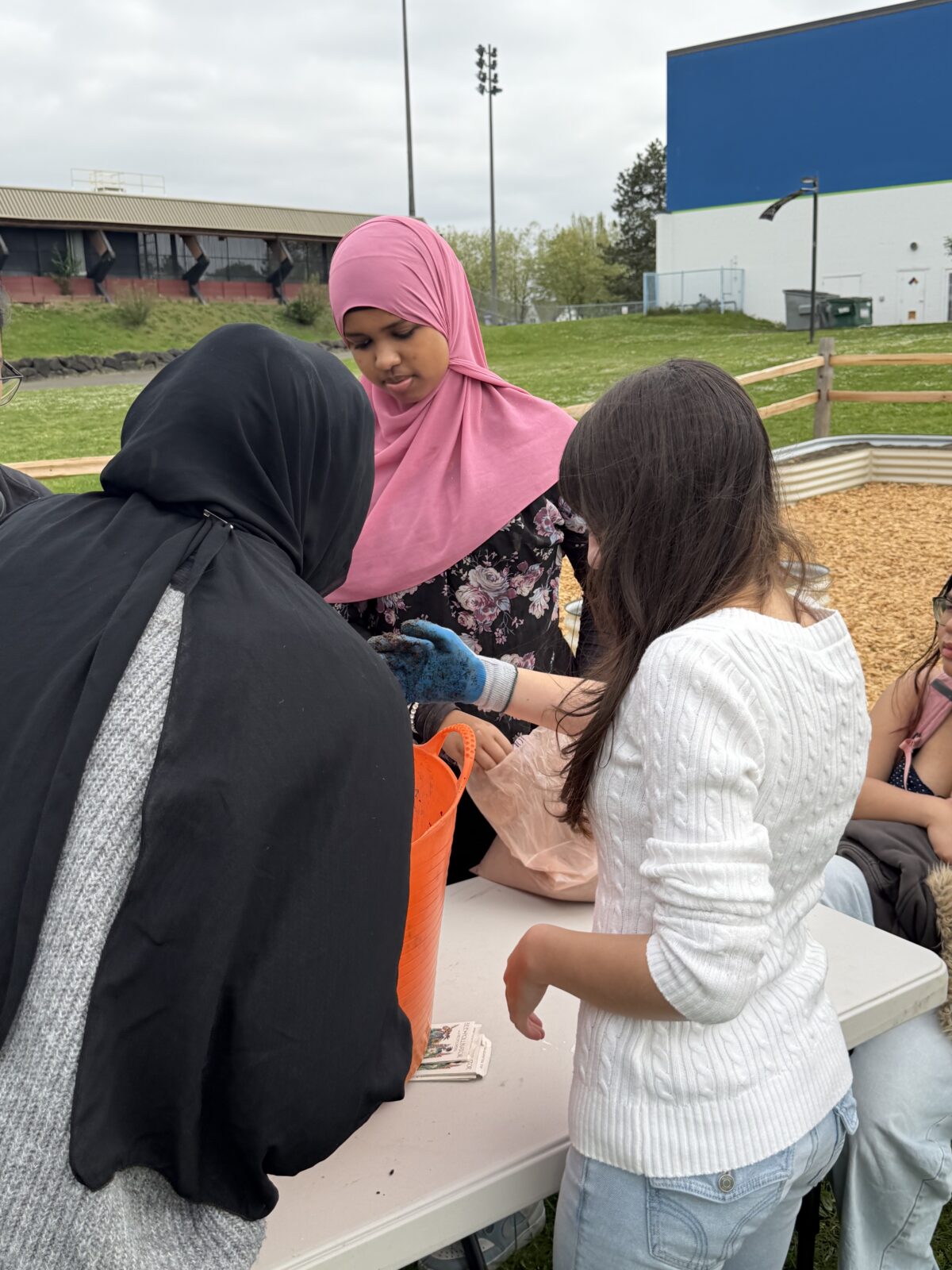
Ruweyda, 15 — Tukwila
Ruweyda brought students together at Foster High School in Tukwila to learn about extreme heat and take action through a community seed ball making event. Sixteen students and teachers participated, exploring simple ways individuals can help create healthier, more resilient communities while working together to expand local green space. One of Ruweyda’s favorite parts of the project was seeing students choose to spend their time learning, creating, and connecting with one another. While the group had to get creative with supplies, using buckets instead of bowls to mix materials, the event was a success and sparked strong engagement from participants. Perhaps most exciting, the project’s impact will continue beyond this year, as seed ball making is set to become an annual tradition at Foster High School.
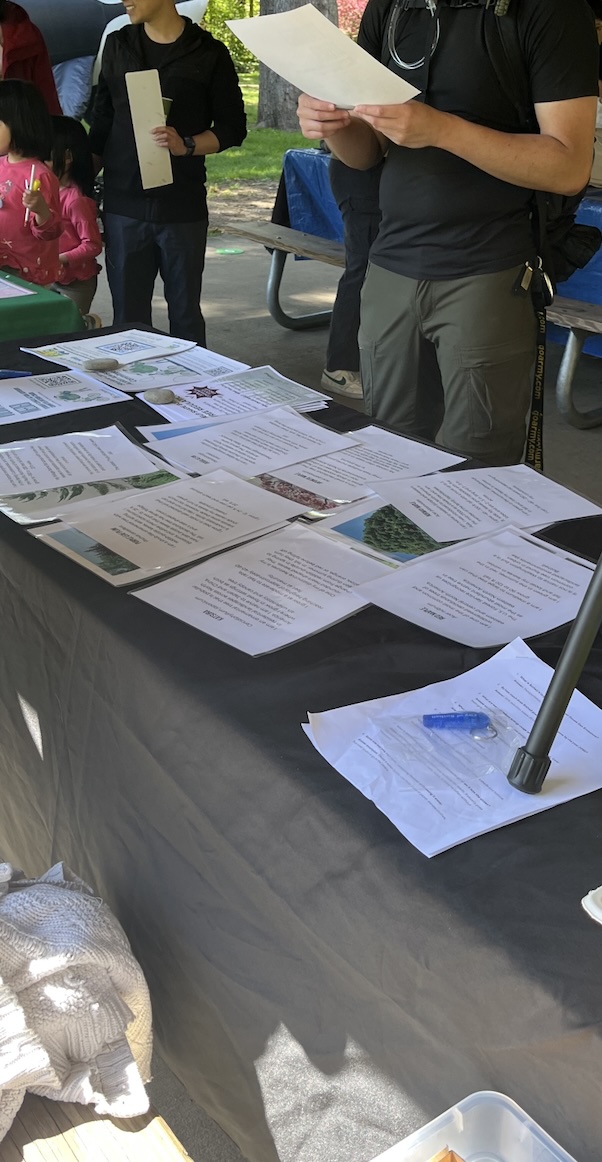
Saanvi, 16 — Bothell
While many fellows focused on community education, Saanvi set out to ensure youth voices were included in conversations about extreme heat planning. She surveyed more than 70 students from schools across Washington to better understand how young people are experiencing the impacts of extreme heat and what solutions matter most to them. Saanvi then presented her findings to the Bothell Climate Advisory Committee, helping local decision-makers hear directly from youth. Although connecting with schools and distributing the survey took persistence, she was proud to see her research spark meaningful discussion and interest from committee members. Looking ahead, Saanvi hopes to share the survey with additional cities and connect with regional heat mitigation efforts, continuing to advocate for youth perspectives in climate planning.
Sawyer, 17 — Port Townsend
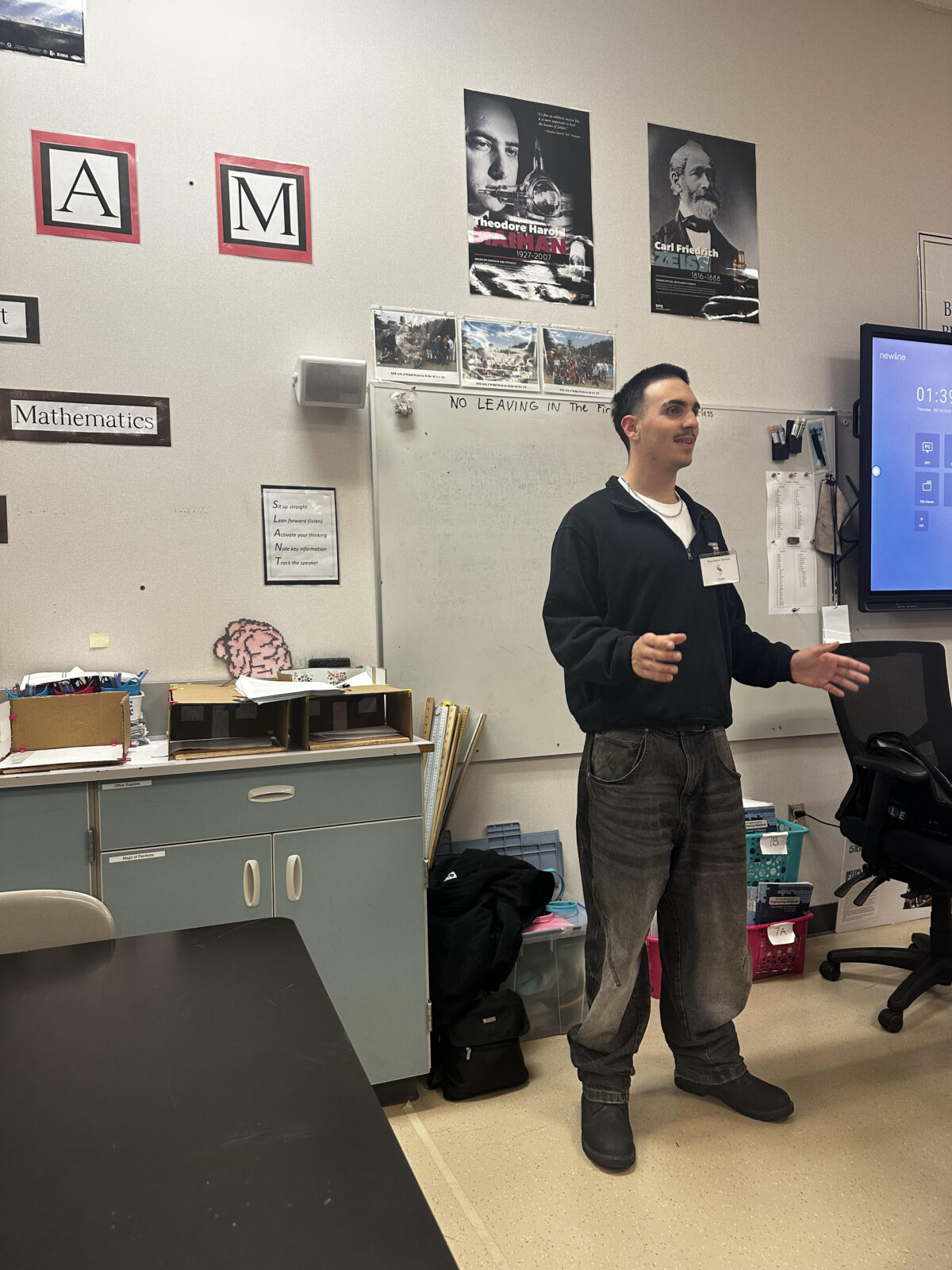
Sawyer introduced approximately 45 students at Blue Heron Middle School in Port Townsend to the connections between climate change, extreme heat, and local environmental action through a hands-on seed-ball making activity. Together, students created nearly 90 seed balls filled with native wildflower seeds, giving them a simple way to help expand green space in their community. Sawyer was especially encouraged by the students’ curiosity and enthusiasm. They asked thoughtful questions, showed a strong interest in the history of seed balls, and some even made plans to spread their seed balls together after school. When reflecting on the experience, Sawyer shared that the project helped him grow as a leader while also introducing him to a more hands-on side of environmental work. Looking ahead, he hopes to continue combining climate education with community action and bring similar activities to future events.
Sienna, 16 — Federal Way
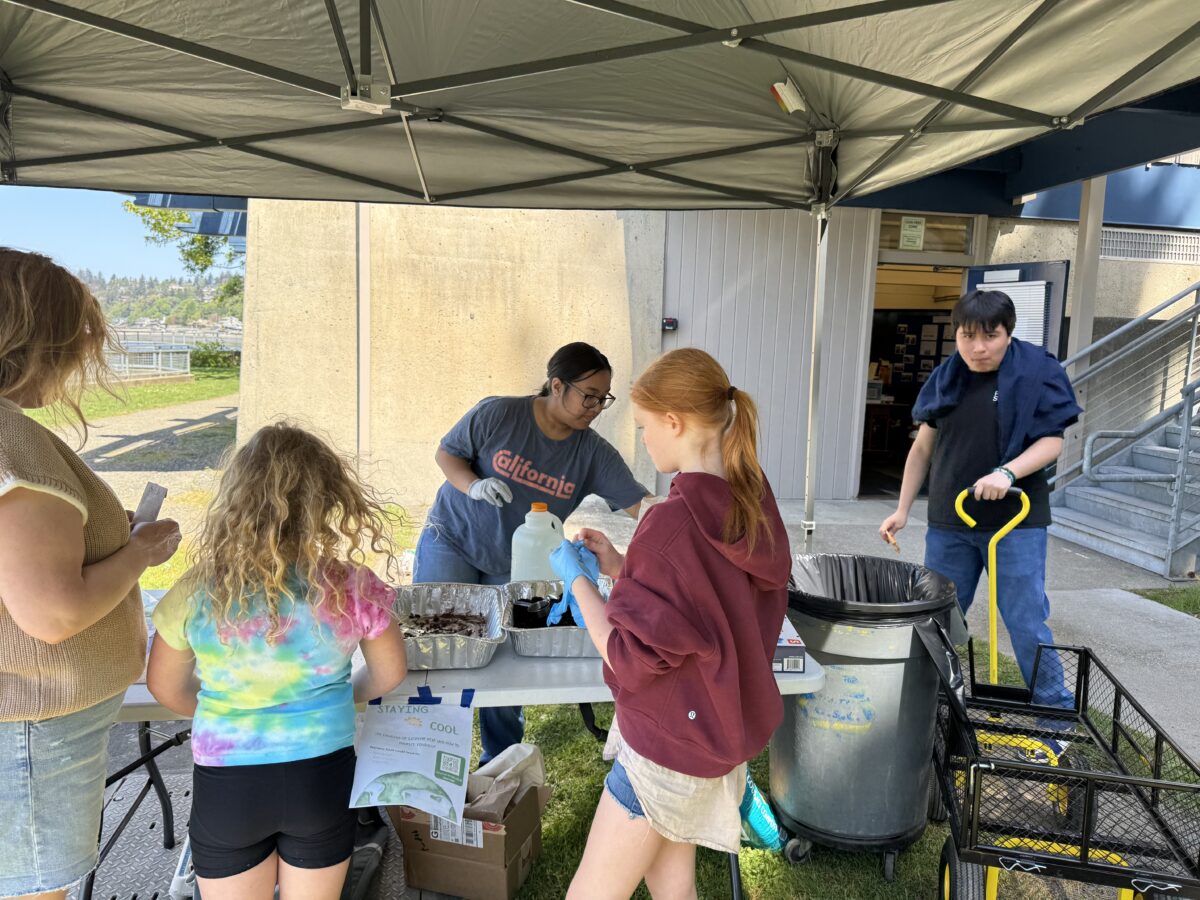
At Seahurst Park in Burien, Sienna brought together 24 community members to learn about extreme heat, local cooling centers, and ways to increase green space in their neighborhoods. Through conversations, educational materials, and a hands-on seed-ball activity, participants explored practical ways to stay safe during extreme heat events while supporting healthier, more resilient communities. Stepping into the role of community educator pushed Sienna outside of her comfort zone, but she quickly found her stride through conversations with participants and sharing resources that many had not encountered before. She was especially encouraged to learn that several attendees were unfamiliar with local cooling centers and left with new information they could use and share with others. Reflecting on the experience, Sienna shared that the project inspired her to become more involved in her community and explore future opportunities for climate action and leadership.
Srivi, 16 — Spokane
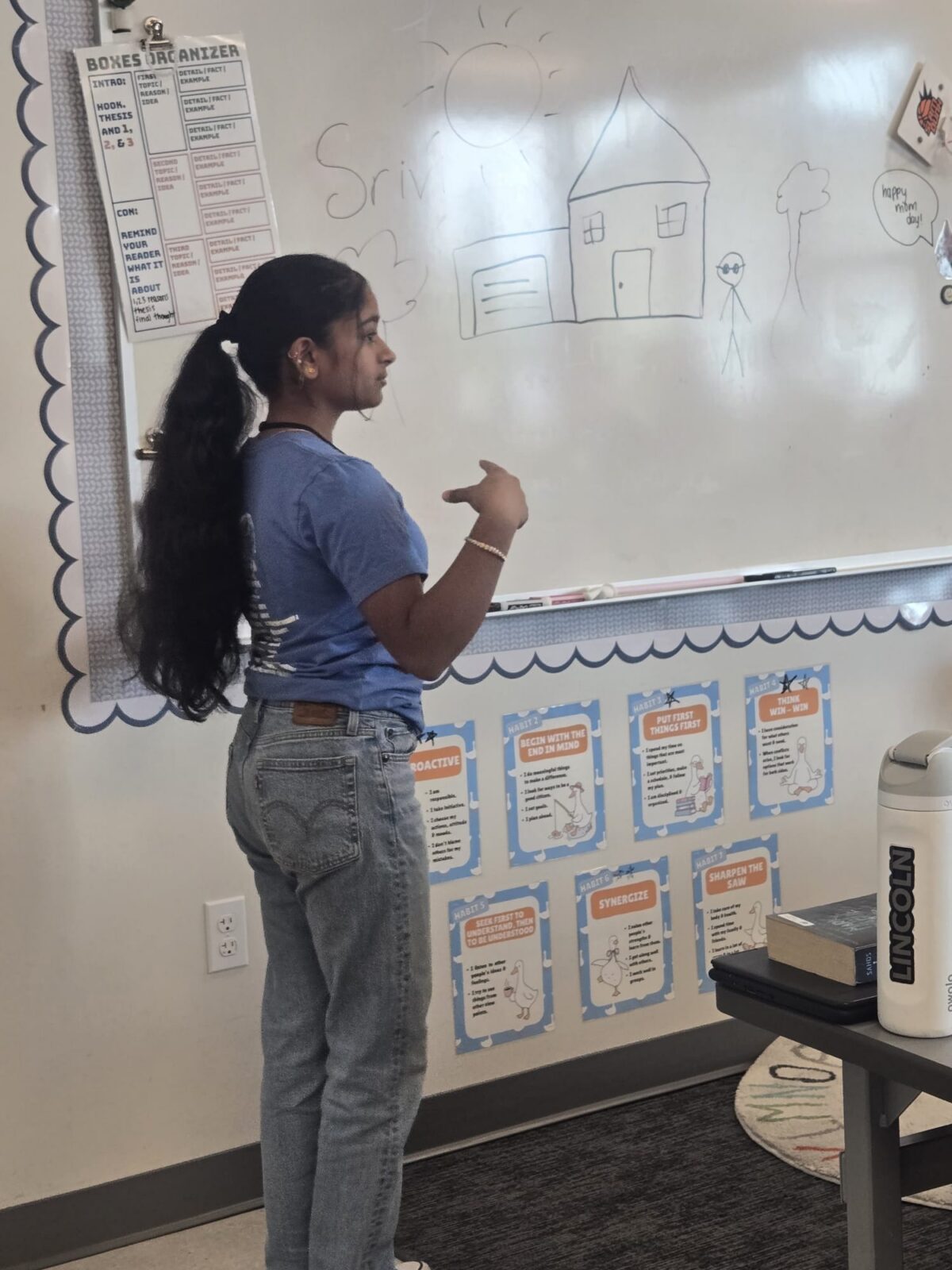
Srivi brought extreme heat education to six fourth- and fifth-grade classrooms at Skyline Elementary in Spokane, reaching 158 students through interactive lessons and a hands-on seed-ball activity. Students learned about the impacts of climate change, the role of cooling centers, and how small actions can help create cooler, greener communities. Coordinating lessons and activities for groups of nearly 50 students at a time challenged Srivi to think on her feet and keep the presentations moving smoothly. By the final session, she had fine-tuned the flow of the program and was proud of how everything came together. Reflecting on the experience, Srivi was encouraged by students’ enthusiasm and curiosity, and hopes to continue sharing environmental education with even more schools in the future.
From Spokane to Tukwila, Bothell to Royal City, fellows engaged their communities in conversations about extreme heat while sharing practical solutions that can help build healthier, more resilient neighborhoods. Their projects may have started with a single idea, but their impact will continue through the students they inspired, the communities they reached, and the leadership skills they will carry forward.